

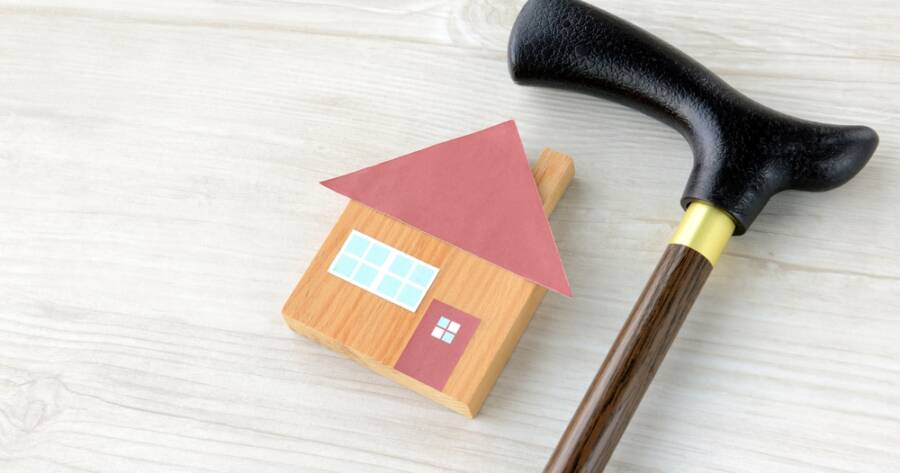
Designing living spaces for seniors involves a delicate balance of safety and style. By seamlessly integrating these elements, homes can become both functional and appealing. Thoughtful design choices ensure accessibility and comfort while reflecting personal taste. This approach provides a harmonious environment that enhances quality of life and fosters independence. Exploring various strategies enables seniors and their families to create spaces that resonate with their individual needs and aesthetics.
Prioritizing Accessibility
Accessibility is a fundamental aspect of senior-friendly design. Ensuring easy movement around the home begins with addressing common barriers such as stairs, narrow doorways, and uneven flooring. Installing ramps, widening doorways, and choosing slip-resistant flooring enhance mobility and reduce fall risk.
Lever-style door handles and touchless faucets offer ease of use for those with limited dexterity. Strategic placement of light switches and electrical outlets at accessible heights contributes to convenience. These thoughtful modifications promote independence and comfort, allowing residents to navigate their environment with confidence.
Embracing Universal Design
Universal design principles create spaces that cater to all ages and abilities. Open floor plans, for instance, enhance visibility and mobility, while adjustable-height countertops accommodate different users. These elements support diverse needs without sacrificing aesthetics.
Design choices such as contrasting colors between walls and floors enhance depth perception, promoting safety. Incorporating universal design principles not only future-proofs homes but adds sophistication and inclusivity. This approach aligns functionality with style, crafting a welcoming environment for all.
Creating a Safe Bathroom Oasis
Bathrooms are often high-risk areas for seniors, necessitating careful planning. Installing grab bars near the toilet and shower provides stability, while non-slip mats minimize slipping hazards. Walk-in showers with built-in seating and hand-held shower heads add practicality and comfort.
Improved lighting and anti-scald devices ensure safety and relaxation. Thoughtful layouts and easy-to-use fixtures transform bathrooms into serene, accessible retreats. By combining safety features with elegant design, bathrooms can offer comfort and style in equal measure.
Luxurious Comfort in the Bedroom
Bedrooms serve as personal sanctuaries, requiring a focus on both comfort and accessibility. Adjustable beds with easy-to-reach controls support varied mobility needs and enhance rest. Choosing low-profile furniture minimizes obstacles, making movement within the room effortless.
Thoughtful storage solutions, such as pull-out shelves and closet organizers, keep essentials within reach. Quality bedding, warm lighting, and personalized décor contribute to a restful atmosphere. The marriage of comfort and accessibility creates a relaxing environment that mirrors personal taste.
Inviting and Functional Living Areas
Living areas should encourage relaxation and socialization, offering both style and function. Arranging furniture to create clear pathways ensures easy navigation. Lift chairs and recliners with ergonomic features add comfort while complementing the room’s design.
Incorporating technology like voice-activated assistants or smart lighting offers convenience and modern appeal. Wall-mounted shelving and multimedia centers maintain accessibility without clutter. These living spaces foster connection and enjoyment, balancing usability with stylish flair.
Kitchen Innovations for Independence
Designing a senior-friendly kitchen focuses on practicality and ease. Pull-out drawers, touchless faucets, and accessible appliances give seniors independence in meal preparation. Well-lit cooking stations and ample counter space ensure efficiency and safety.
Opt for appliances with clear controls and easy-to-read displays for added usability. A carefully planned kitchen layout with reachable storage encourages daily engagement and creativity. This blend of innovation and accessibility empowers seniors to enjoy cooking with confidence and style.
Incorporating Personal Touches
Infusing personal style into the design makes spaces feel truly homey and comforting. Displaying cherished photographs, art, or collections personalizes the environment, creating meaningful connections to memories and interests.
Incorporating favorite colors, patterns, or textures reflects individual tastes and fosters identity. Thoughtful integration of these elements enlivens spaces while ensuring harmony. This personalized approach highlights the importance of aligning aesthetic preferences with functional needs.
Learn More Today!
Designing senior spaces requires a harmonious blend of accessibility, safety, and style. By integrating thoughtful design principles and personalized touches, homes can become more inviting, functional, and comfortable.
These innovative strategies foster an environment that enhances independence and quality of life, adapting to evolving needs while celebrating individuality. This balanced approach to design transforms spaces into welcoming havens, supporting well-being and enabling seniors to thrive with dignity and joy.